
Financial Scenario Modelling Program
Build real-world skills in financial forecasting and strategic planning
You know that moment when you're staring at a spreadsheet full of numbers and wondering if your forecast actually means anything? We've all been there. This program takes you beyond formulas and into the practical side of scenario modelling—the kind of work financial professionals actually do when planning for uncertainty. It's about building confidence with the tools and methods that help businesses prepare for whatever comes next.
Get Program DetailsWhat You'll Learn
Six months of structured learning covering the fundamentals through to advanced techniques. Each module builds on the last, giving you time to practice and actually understand the concepts before moving forward.
Foundations of Financial Modelling
Start with the basics. Understanding financial statements isn't glamorous, but it's absolutely necessary. We cover how data flows between statements and why that matters when you're building scenarios.
- Reading and interpreting financial statements with a critical eye
- Excel techniques that save hours of manual work
- Building assumptions that stand up to scrutiny
- Common pitfalls and how to spot them early
Scenario Development and Analysis
This is where it gets interesting. You'll learn to create multiple scenarios that reflect realistic business conditions—not just best case and worst case, but the messy stuff in between.
- Identifying key variables that actually drive outcomes
- Sensitivity analysis without drowning in data
- Monte Carlo simulations explained in plain language
- Presenting findings to stakeholders who aren't numbers people
Strategic Decision Support
Models are only useful if they help people make better decisions. We focus on translating technical analysis into actionable insights that leadership can work with.
- Building decision frameworks for complex situations
- Risk assessment that goes beyond gut feeling
- Communicating uncertainty without causing panic
- Real-world case studies from Australian businesses

Learn From Practitioners
Our instructors aren't just teachers—they're working professionals who deal with scenario modelling regularly. They bring current examples and practical advice from their own experience.

Elliot Gundersen
Senior Financial Analyst
Elliot spent twelve years building models for mid-sized companies going through major transitions. He's seen what works and what doesn't when executives need to make tough calls with incomplete information.
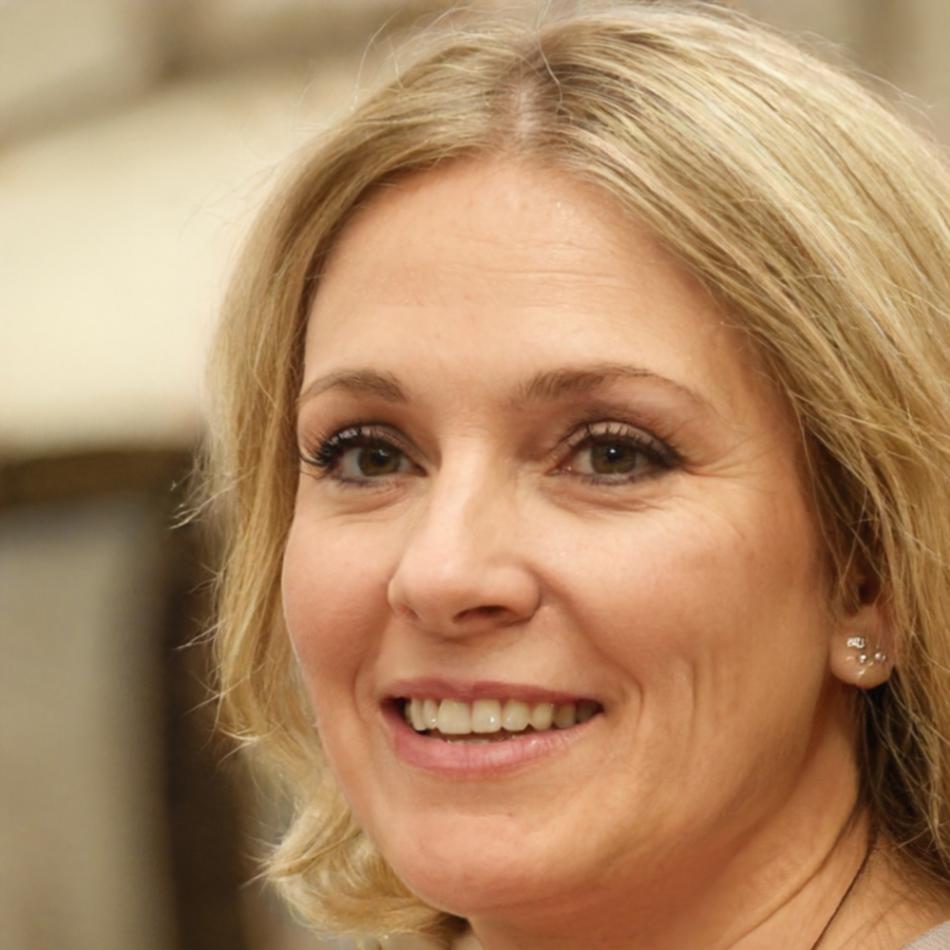
Vesna Solberg
Strategy Consultant
After working in corporate planning for years, Vesna now helps businesses navigate uncertain markets. She focuses on making scenario planning accessible and useful, not overwhelming.
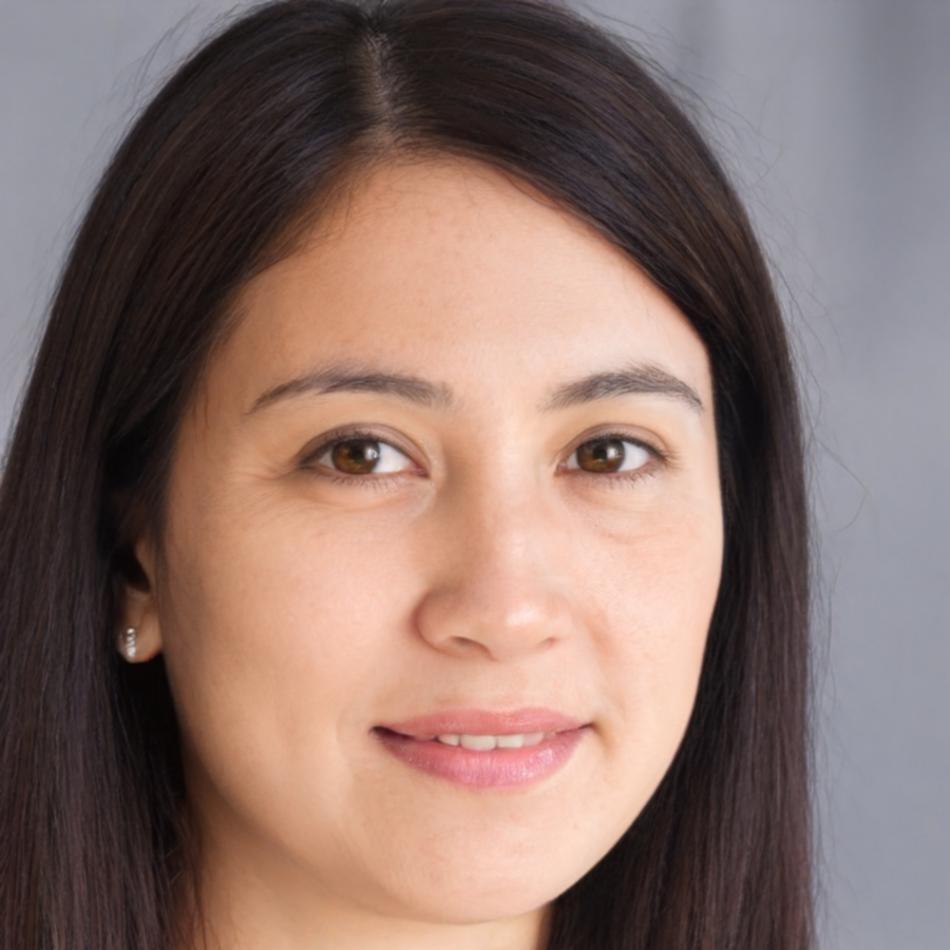
Isolde Magnusson
Risk Management Specialist
Isolde comes from the risk side of finance, where scenario modelling isn't optional. She teaches the discipline of asking "what if" systematically rather than just hoping for the best.
Program Timeline
Program Launch
We start with two weeks of intensive foundations. Evening sessions work around full-time schedules, with weekend workshops for hands-on practice.
Core Modelling Phase
The bulk of the technical work happens here. You'll build multiple models from scratch, learning to structure your thinking and catch errors before they compound.
Applied Projects
Work on real scenarios with guidance from instructors. This is where theory meets practice and you figure out what questions to ask when the data is messy.
Program Completion
Final presentations and review sessions. By this point, you should feel comfortable tackling scenario modelling projects independently.